
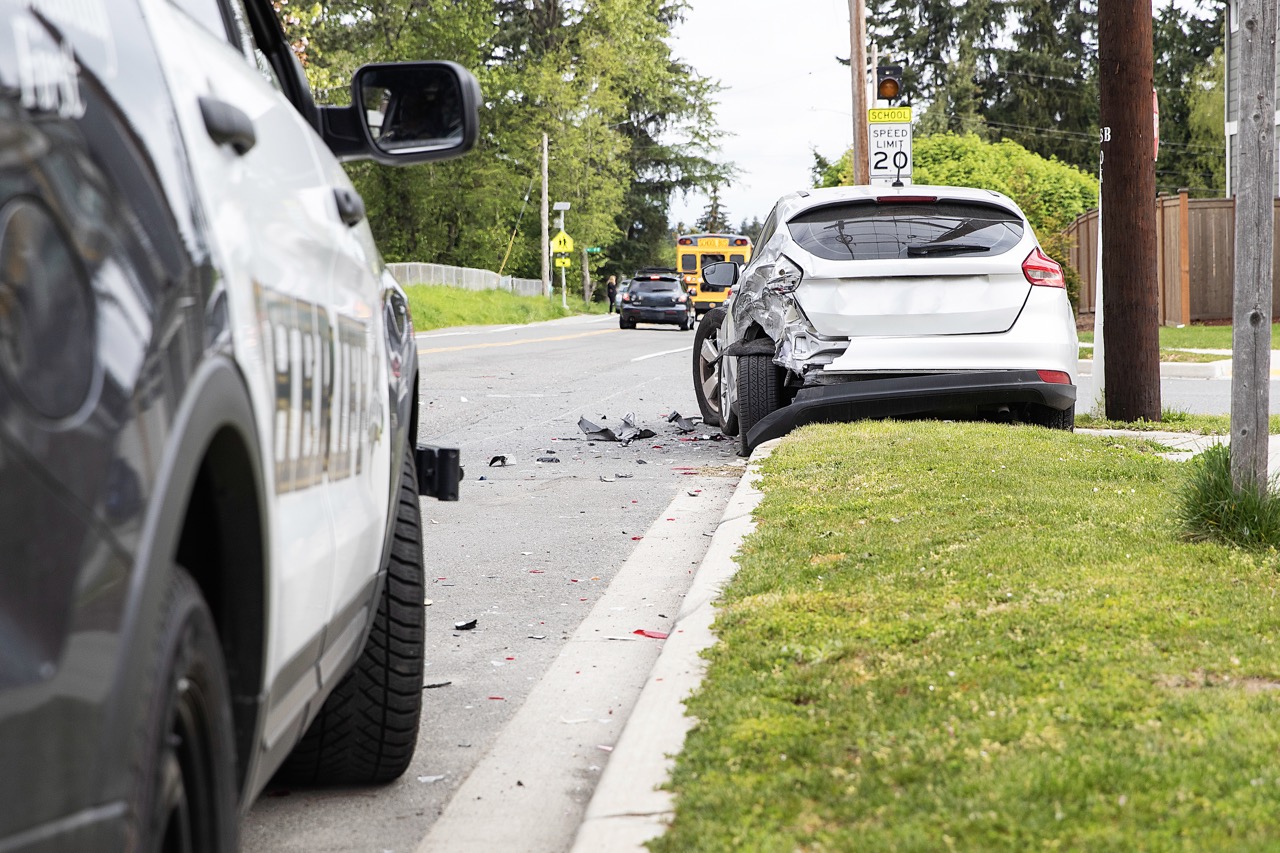
A crunch of metal on the I-35 frontage road. Taillights that do not slow down. A license plate you almost read.
Texas treats that moment as a crime, not just a car accident. Texas Transportation Code Sections 550.021 through 550.026 require a driver involved in a crash to immediately stop, hand over insurance information, and provide reasonable assistance. Leaving the scene brings criminal charges that climb with the harm. This guide explains what counts as a hit and run in Texas, the criminal penalties, what to do first, and how you recover compensation for medical bills and lost wages when the other driver is never found.
What Counts as a Hit and Run in Texas?
A hit and run is any crash where a driver involved fails to stop and meet the duties Texas law imposes. Parking lots count too.
Texas hit and run laws reach further than people expect. The duty attaches to another moving car, an unattended vehicle in a lot, a parked car, or a fence or sign beside the road.
Situations that count as leaving the scene include:
- clipping a parked car outside a South Congress restaurant and driving off
- hitting a cyclist or a pedestrian and continuing on
- pulling away before exchanging insurance information
Stopping is only half of the duty.
What Texas Law Requires After a Crash
Texas Transportation Code Section 550.021 covers a collision that results, or is reasonably likely to result, in injury or death. The driver must immediately stop, check whether anyone needs aid, and remain until the duties in Section 550.023 are met. Section 550.022 applies the same rule to a crash causing only property damage to an occupied vehicle.
Section 550.023 spells out what changes hands. A driver involved must:
- give a name and address
- give the vehicle registration number of the vehicle
- name the motor vehicle liability insurer
- show a driver’s license if it is requested and available
- provide reasonable assistance to an injured person, including arranging transportation when medical treatment is apparently necessary
That third duty is what people mean by failure to stop and render aid.
What Are the Criminal Penalties for a Hit and Run in Texas?
Texas hit and run laws set the ladder for failure to stop and render aid by damage, injury, and death:
- Class C misdemeanor for only property damage under $200, with a fine up to $500
- Class B misdemeanor once that damage reaches $200, carrying up to 180 days in county jail
- up to five years in prison or one year in county jail, a fine up to $5,000, or both, when someone is injured
- third degree felony for serious bodily injury, meaning two to ten years of prison time
- second degree felony when a person died, carrying two to twenty years
Those tiers sit in Sections 550.022 and 550.021. Serious bodily injury has a defined meaning under Penal Code Section 1.07: a substantial risk of death, serious permanent disfigurement, or protracted loss of function.
A hit and run conviction under Section 550.021 also brings an automatic suspended license under Section 521.341.
Is a Hit and Run on a Parked Car a Felony in Texas?
No. Leaving the scene after a driver hits a parked car falls under Section 550.024. Striking an unattended vehicle is a Class C misdemeanor under $200 in damage, and a Class B misdemeanor at $200 or more.
Section 550.025 sets the same two levels for a structure, fixture, or highway landscaping. Under Texas law, only property damage stays a misdemeanor. The third degree felony and second degree felony tiers begin with serious bodily injury or death.
What Should You Do at the Scene of an Accident?
Adrenaline hides pain. Memory fades in minutes. Work the scene of an accident in this order:
- Call 911 if anyone is hurt or a vehicle cannot be driven safely.
- Write down the fleeing vehicle first: color, make, damage, direction, and any part of the license plate.
- Photograph your car, the debris field, paint transfer, and the intersection.
- Look for cameras on nearby businesses and doorbells.
- Collect names and numbers from witnesses who stopped.
- Seek medical attention the same day, even if you feel fine.
Do not chase the fleeing vehicle. Following the other driver risks a second crash.
How Do You Report a Hit and Run in Austin?
Section 550.026 requires immediate notice by the quickest means of communication when a crash injures someone or leaves a vehicle unable to be driven safely. Inside city limits, that notice goes to the Austin Police Department (APD).
Call 911 for any injury crash on I-35 or anywhere else in Travis County. For a crash with only property damage, APD takes non-emergency reports at 3-1-1, at 512-974-2000 from outside Austin, and through its online portal, which lists hit and run as eligible.
A police report matters more after a hit and run accident than after an ordinary car accident. That police report creates the case number your insurance company wants, and it starts the search for the vehicle involved.
How Long Do You Have to Report a Hit and Run in Texas?
Immediately. Texas repealed the old driver’s written crash report before September 1, 2017, so no separate form falls to you. What remains is the officer’s report under Section 550.062, filed with the Texas Department of Transportation (TxDOT) no later than the tenth day. Allow a few business days, then buy your copy for $6, or $8 certified.
Waiting costs you twice. The Texas Department of Insurance (TDI) warns that uninsured motorist coverage will not pay for a hit and run accident you did not report to police.
Prosecutors run a separate clock: two years for a misdemeanor, three years for most felonies, and no limit for a fatal hit and run under Section 550.021.
The Evidence That Finds a Fleeing Driver
Most Texas hit and run cases turn on small physical details. Investigators look for:
- a partial plate run against vehicle registration records for that make and color
- paint transfer and broken trim left on your bumper
- private security and doorbell video within a block of the scene
Evidence disappears fast. Businesses overwrite footage in days.
Who Pays When the Hit and Run Driver Is Never Found?
Texas law gives hit and run victims a practical answer, and it usually sits in your own insurance policy: uninsured motorist coverage. A driver leaving the scene is treated as an uninsured driver, so your carrier steps into the shoes of the at fault driver and pays what that person would owe for bodily injury and property damage.
Texas Insurance Code Section 1952.101 requires every auto insurer in the state to include that coverage unless you rejected it in writing, at limits of at least $30,000 per person and $25,000 for property damage.
The insurance claim is not automatic. Your own insurance company becomes the opposing party on the value of a serious injury, which is why reporting and evidence decide so many hit and run claims. Our guide to uninsured motorist claims in Texas covers those disputes.
How PIP, Medical Payments, and Collision Coverage Fit In
Three other layers of your own insurance policy can pay while the search continues:
- personal injury protection, which Texas Insurance Code Section 1952.152 requires insurers to offer unless you reject it in writing, with at least $2,500 per person for medical care and lost wages
- medical payments coverage, which handles treatment costs alone
- collision coverage, which repairs your vehicle when there is only property damage, subject to your deductible
Personal injury protection pays without regard to fault, so that insurance claim usually pays out first in a hit and run case.
Why the Criminal Case Does Not Pay Your Losses
A hit and run conviction can mean prison time. It does not pay your surgeon.
Criminal court and your civil claim run on separate tracks. You do not need criminal charges, an arrest, or even an identified at fault driver to recover compensation through your own coverage. Most hit and run victims reach a law office weeks later, once the medical bills arrive. That is when hit and run accident claims get built.
The Two-Year Deadline on Your Civil Claim
Texas Civil Practice and Remedies Code Section 16.003 gives an injured person two years from the day the claim accrues to sue for personal injury, and two years from the date of death in a wrongful death case. Section 16.001 pauses that clock for a child until age eighteen.
Two years feels like plenty of time. It is not. Your insurance company also imposes its own notice conditions, and after a serious injury those come due first.
Why Choose The Pabst Law Firm
The Pabst Law Firm is a family-run, boutique personal injury firm in Austin. Frank and Nicky Pabst handle every case personally. You talk directly to your attorney, not intake staff, paralegals, or layers of case managers.
We are coverage strategists. One hit and run accident often draws from several places at once: uninsured motorist coverage, personal injury protection, medical payments coverage, and a liability policy if the other driver is found later. We map every layer before settlement talks begin.
We are treatment-first. Healing comes before settlement talks. We work on a contingency fee basis, meaning you pay nothing unless we recover compensation for you.
We are bilingual. Hablamos español. We serve Austin’s diverse community in English and Spanish.
Get a Free Consultation
Drivers panic and run. You are the one left with the damage, and with an adjuster to argue with.
Call The Pabst Law Firm at (512) 641-2676 or fill out our online form for a free consultation. We serve clients throughout Austin, Cedar Park, Round Rock, Georgetown, Pflugerville, Kyle, Buda, San Marcos, and all of Central Texas.


 (512) 641-2676